Queensland
Mobile crushing across South-East Queensland
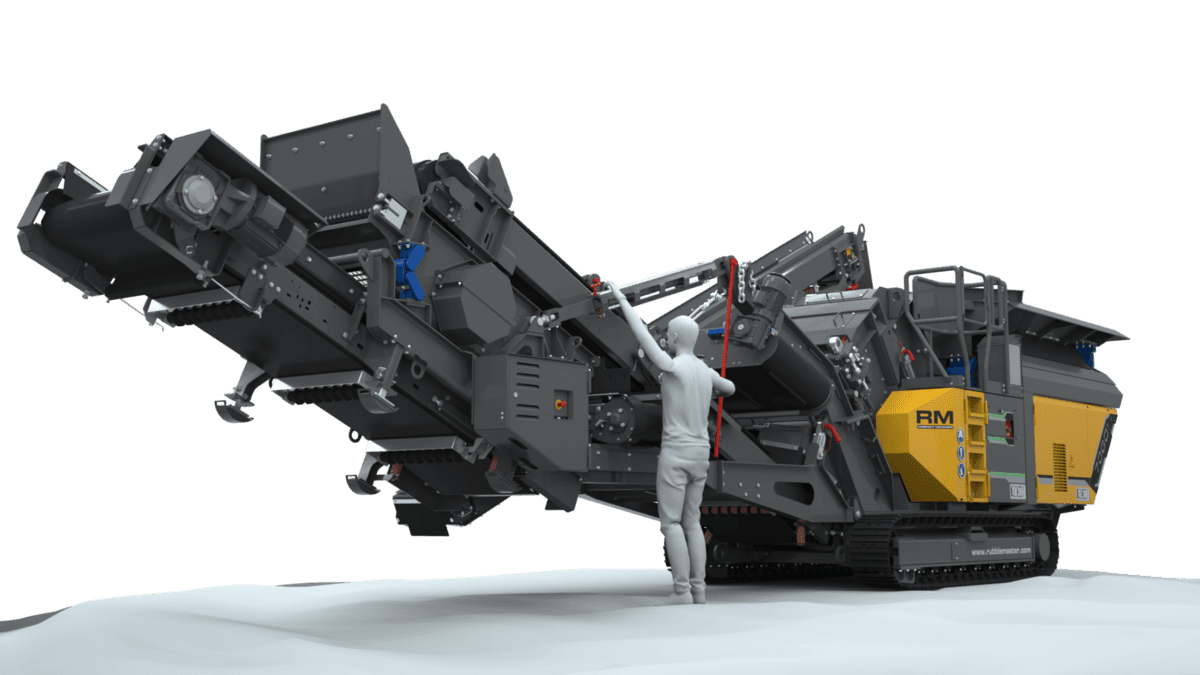
Recycling King brings on-site crushing to civil and demolition projects across South-East Queensland. We mobilise the RM 70GO! 2.0 to sites in Brisbane and the surrounding region to recycle concrete, asphalt and rock where it is generated.
Areas we mobilise to
- Brisbane
- Ipswich
- Logan
- Gold Coast
- Toowoomba
- Redlands
- Moreton Bay
Not listed? We mobilise the RM 70GO! 2.0 to civil and demolition sites right across South-East Queensland. Ask us about your location.
Local coverage
Why contractors recycle on site here
Recycling King provides mobile concrete crushing across South-East Queensland, from Brisbane and Ipswich to Logan, the Gold Coast, Toowoomba, Redlands and the Moreton Bay region. We mobilise the RM 70GO! 2.0 to civil and demolition sites throughout the corridor, so contractors can recycle concrete, brick, rock and asphalt where it is generated instead of carting it across the city to a tip.
SEQ is a busy construction market, and tipping and cartage costs add up fast on a Brisbane or Gold Coast job. On-site crushing keeps clean hard material on site as reusable road base, cuts truck movements through congested areas, and reduces the imported aggregate you need to buy. Whether it is a demolition in the inner city, an earthworks job in the western corridor or a council project on the coast, we bring the crusher to you.
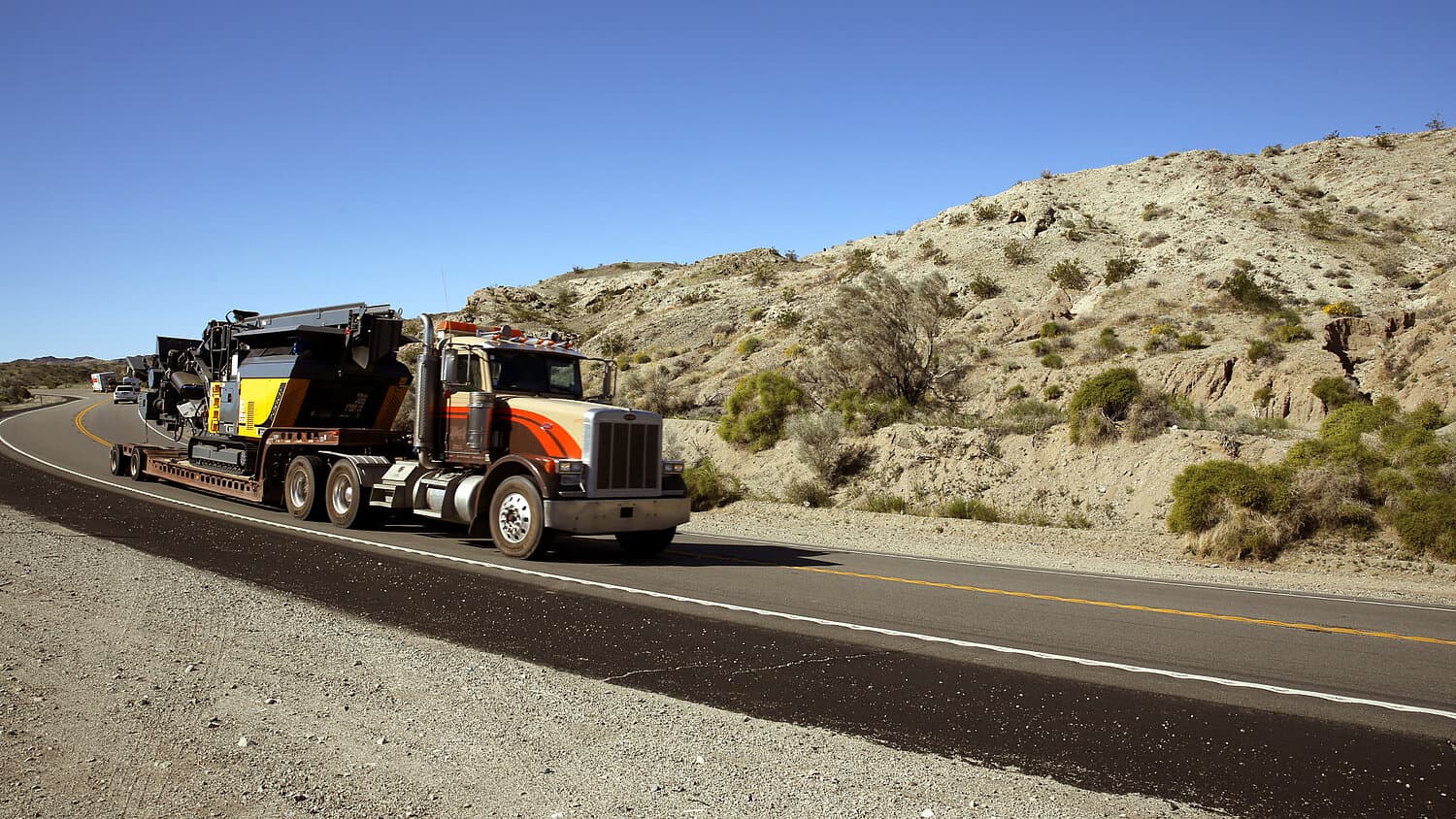
Brisbane sits in the metropolitan levy zone, Level 1, where the Queensland general waste levy is $135 per tonne for the 2026-27 financial year, and gate fees for clean concrete around the city now exceed $80 per tonne on top of that. Inner-city demolition is usually tight on space and tighter on program, which is where a compact machine earns its place: the RM 70GO! 2.0 travels on a standard float with no oversize permits or escorts and is crushing within about 20 minutes of arriving. Crushing is billed per tonne and weighed on the onboard belt scale, typically around $10 per tonne and as low as $8 per tonne on higher-tonnage jobs, with every job individually quoted. The concrete you were about to pay to remove is the base you were about to pay to import.
Logan produces concrete from two directions at once. The declared priority development areas at Yarrabilba and Greater Flagstone, along with Park Ridge, Logan Reserve and Jimboomba, mean new roads, kerb and channel and hardstand going in at scale, while the older suburbs around Beenleigh, Springwood, Woodridge and Browns Plains are being redeveloped and sending slabs, driveways and old pavement back out. Both ends of that finish with a stockpile of clean hard material and a decision about where it goes. Logan jobs also feed onto the M1 and the Logan Motorway, so a round trip to a receiving facility burns far more truck time than the map suggests.
Toowoomba is the one part of this coverage where the levy arithmetic changes. It sits in the regional zone, Level 2, where the general waste levy is $100 per tonne for 2026-27 rather than the $135 per tonne that applies across the metropolitan zone. The catch is that the rate follows both where the material was generated and where it is disposed of, so concrete carted down the range to a metropolitan facility is charged at the metropolitan rate anyway. Keeping the material on site avoids the range crossing and the question entirely.
Redlands work is mostly residential and light commercial redevelopment, which means slabs, driveways, footings and the occasional pavement lift rather than continuous bulk earthworks. Volumes on any single site are smaller, so the decision turns on whether there is enough tonnage in one place to justify bringing plant in, and we will tell you when there is not. Redlands sits inside the metropolitan levy zone, so material sent away carries the $135 per tonne rate for 2026-27 on top of the gate fee. Where several adjacent stages can be stockpiled and crushed in a single visit, the economics improve sharply.
The Moreton Bay region mixes greenfield subdivision work in the north with redevelopment closer to Brisbane, so the material stream runs from clean excavation rock through to demolition slab and old kerb. Subdivisions make the strongest case for crushing in place, because a job that is about to buy road base is usually standing on the material it could be made from. Moreton Bay is in the metropolitan levy zone at $135 per tonne for 2026-27, and the haul to a receiving facility is long enough that cartage, rather than the gate fee, is often the largest line. Feed has to be clean hard material, so timber, plasterboard and soil are separated out before the crusher arrives.
Brisbane, Logan, Ipswich, the Gold Coast, the Sunshine Coast, Moreton Bay and Toowoomba each have their own service area page on this site, covering those markets in more detail than a regional summary allows.
Capabilities
What we do in SEQ
Concrete, asphalt and rock recycled on site into reusable material.
 01
01On-site concrete crushing
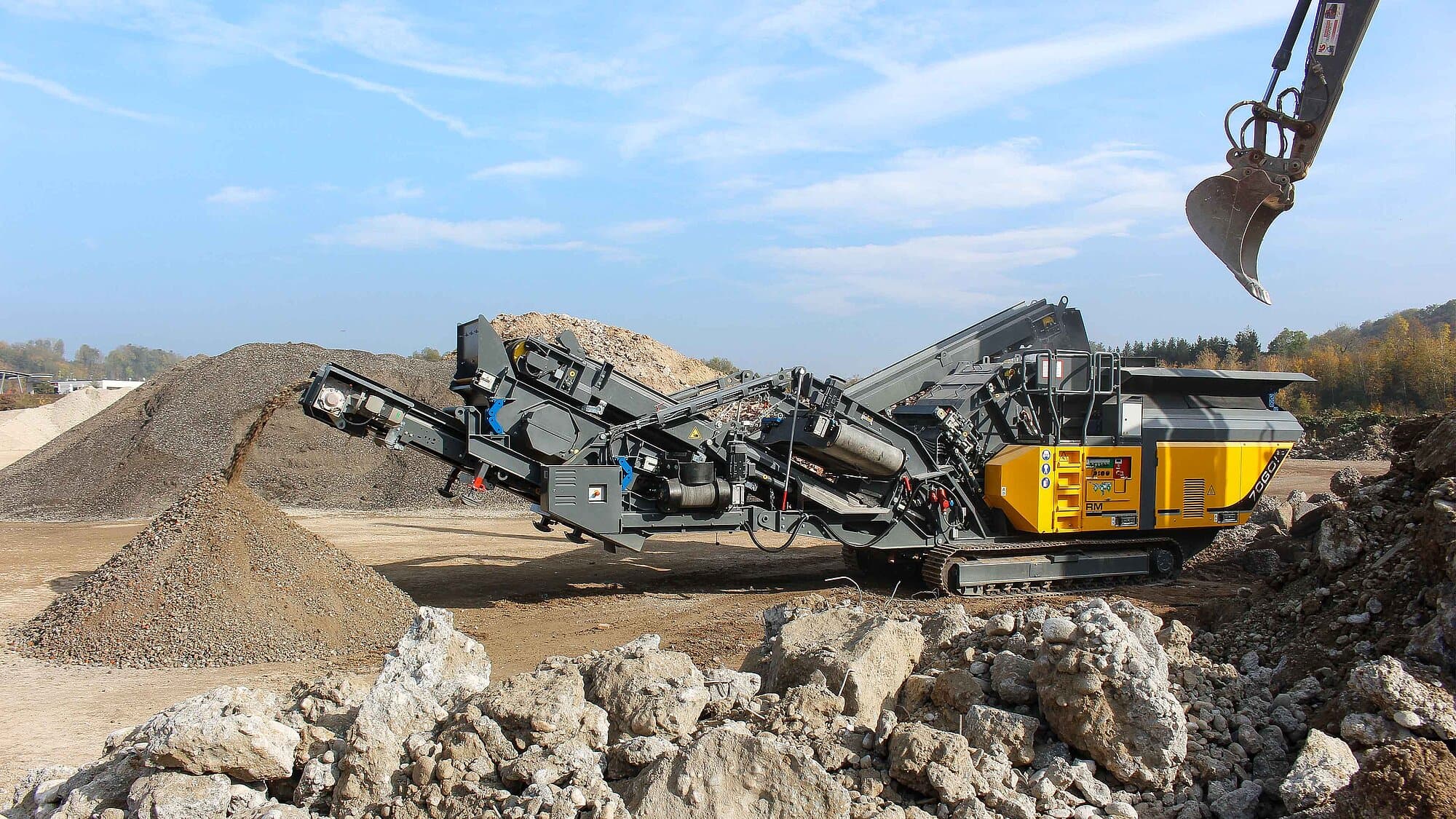
Mobile crushing brought to your site with the RM 70GO! 2.0. Concrete, rock and asphalt turned into road base, drainage gravel and sized aggregate you keep, graded to the millimetre, weighed on board, as low as $8 per tonne on higher-tonnage jobs.
View service02Mobile crusher hire
Concrete crusher hire across South-East Queensland and New South Wales, wet hire with our operator or dry hire to your crew. The RM 70GO! 2.0 for graded, spec-ready product, the Komplet Krokodile by the hour for oversized and heavily reinforced material.
View service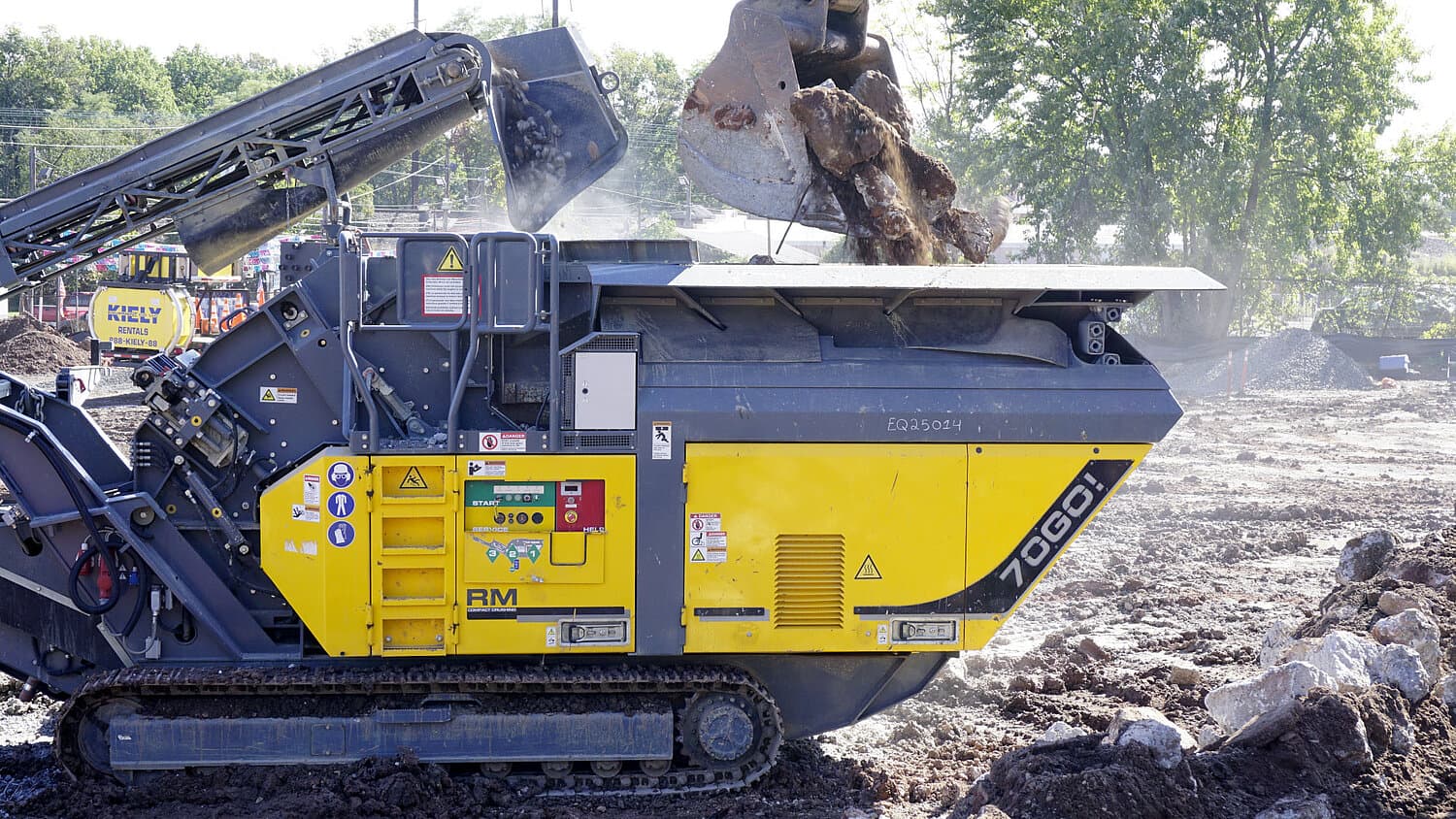 03
03Concrete & material recycling
Demolition concrete, brick, rock and asphalt recovered into reusable road base. Clean hard material only, turned into product on your site.
View service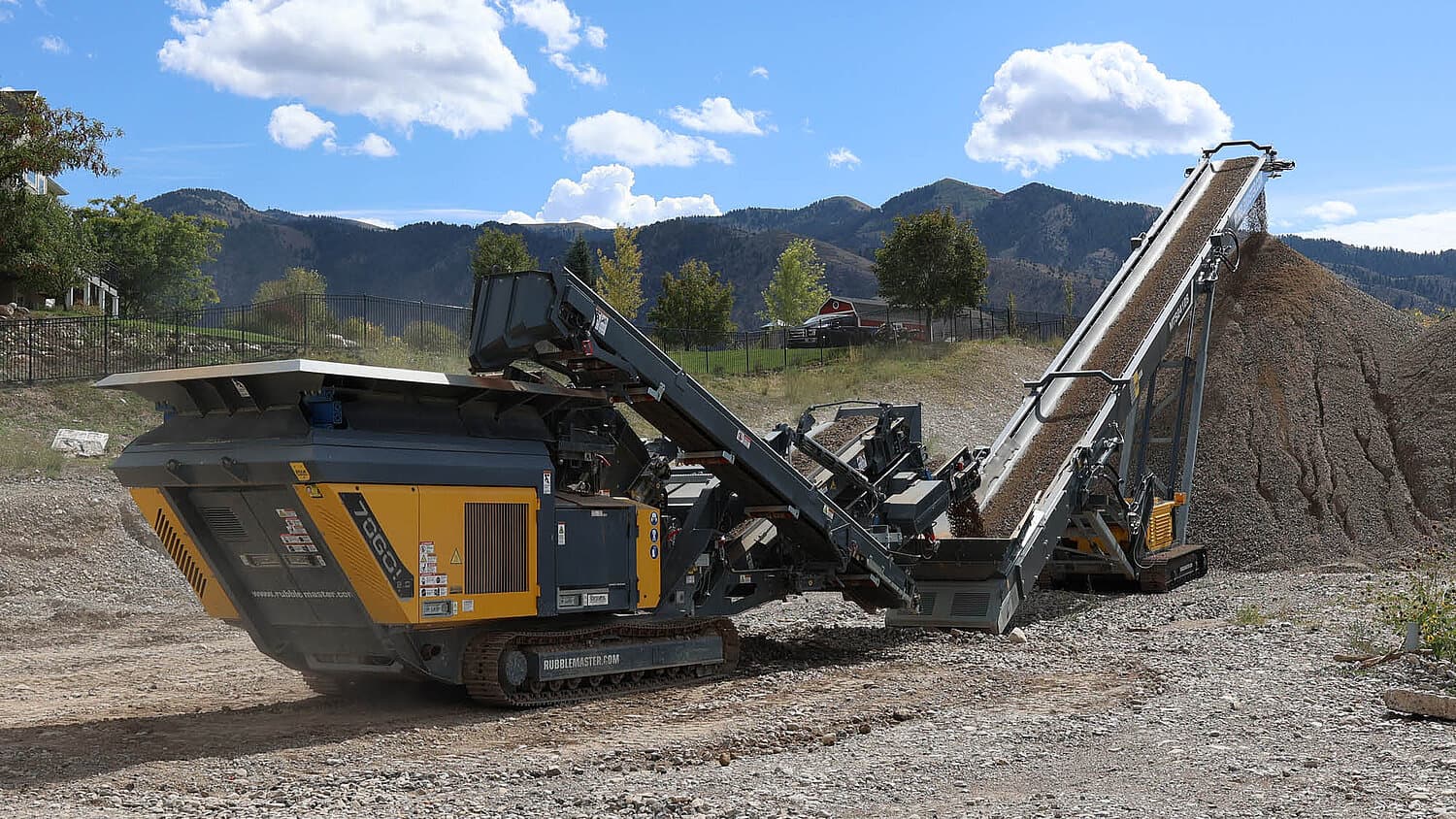 04
04Asphalt and bitumen recycling
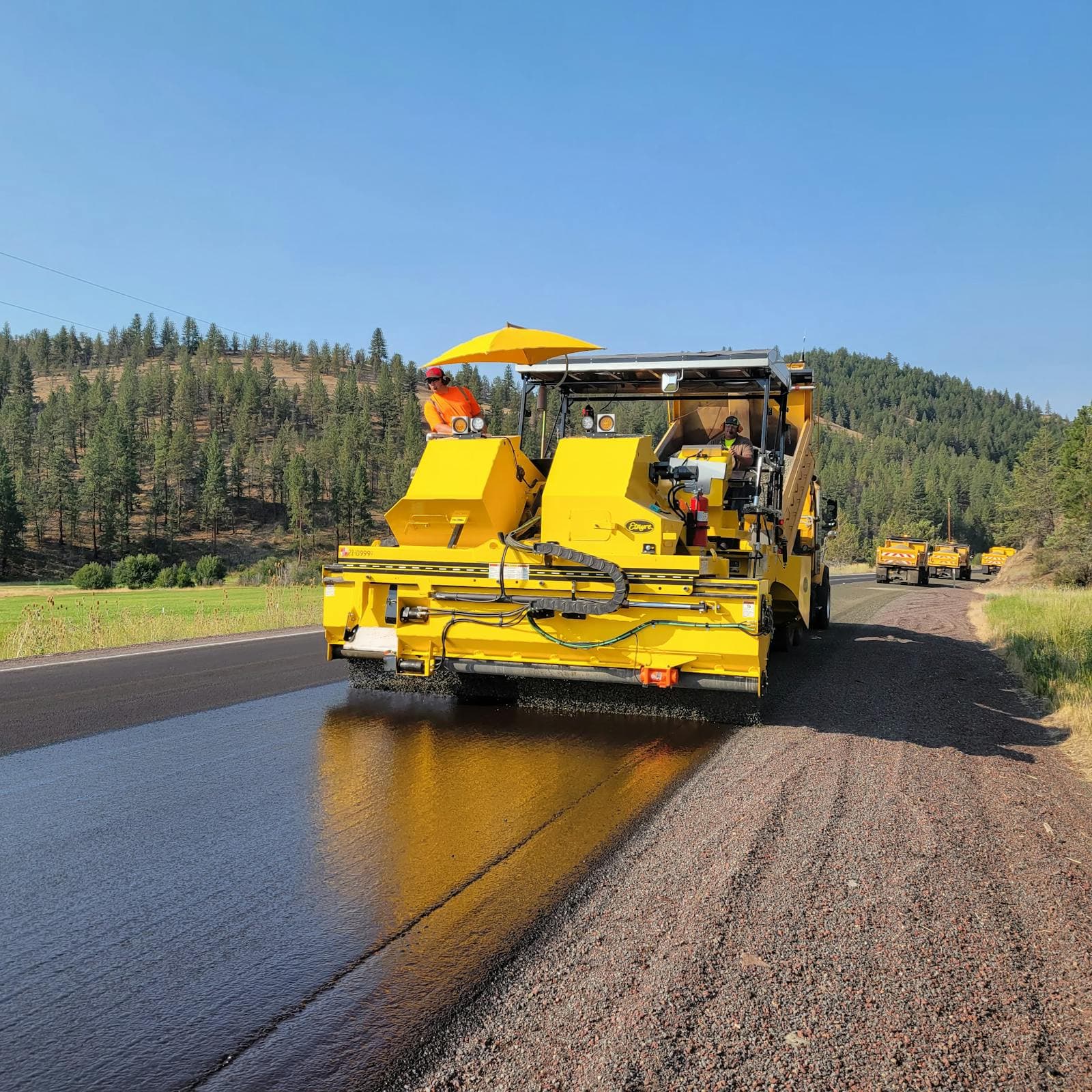
Reclaimed asphalt and bitumen crushed into reusable material for road and civil works across SEQ and NSW.
View serviceIn the field
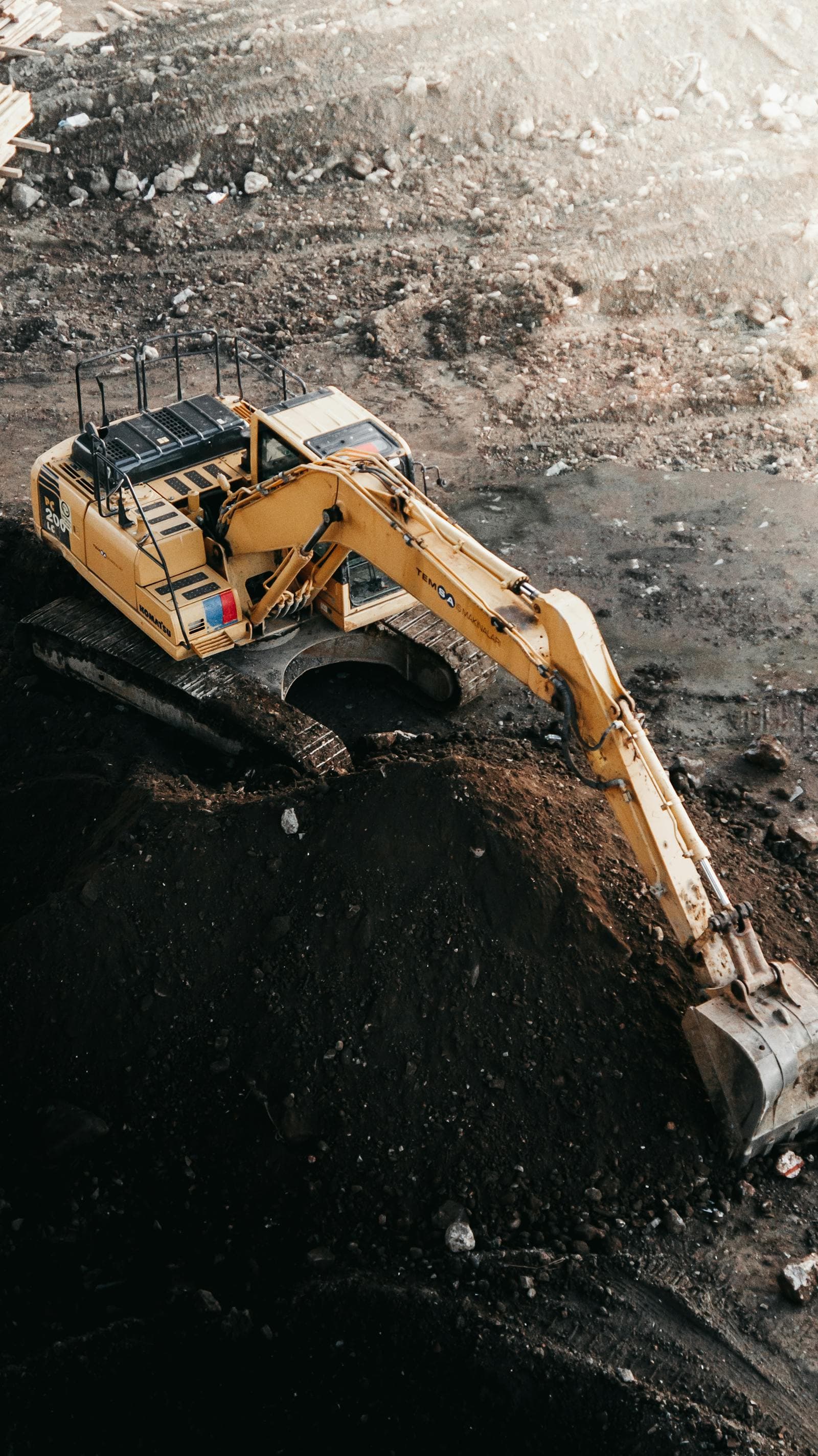
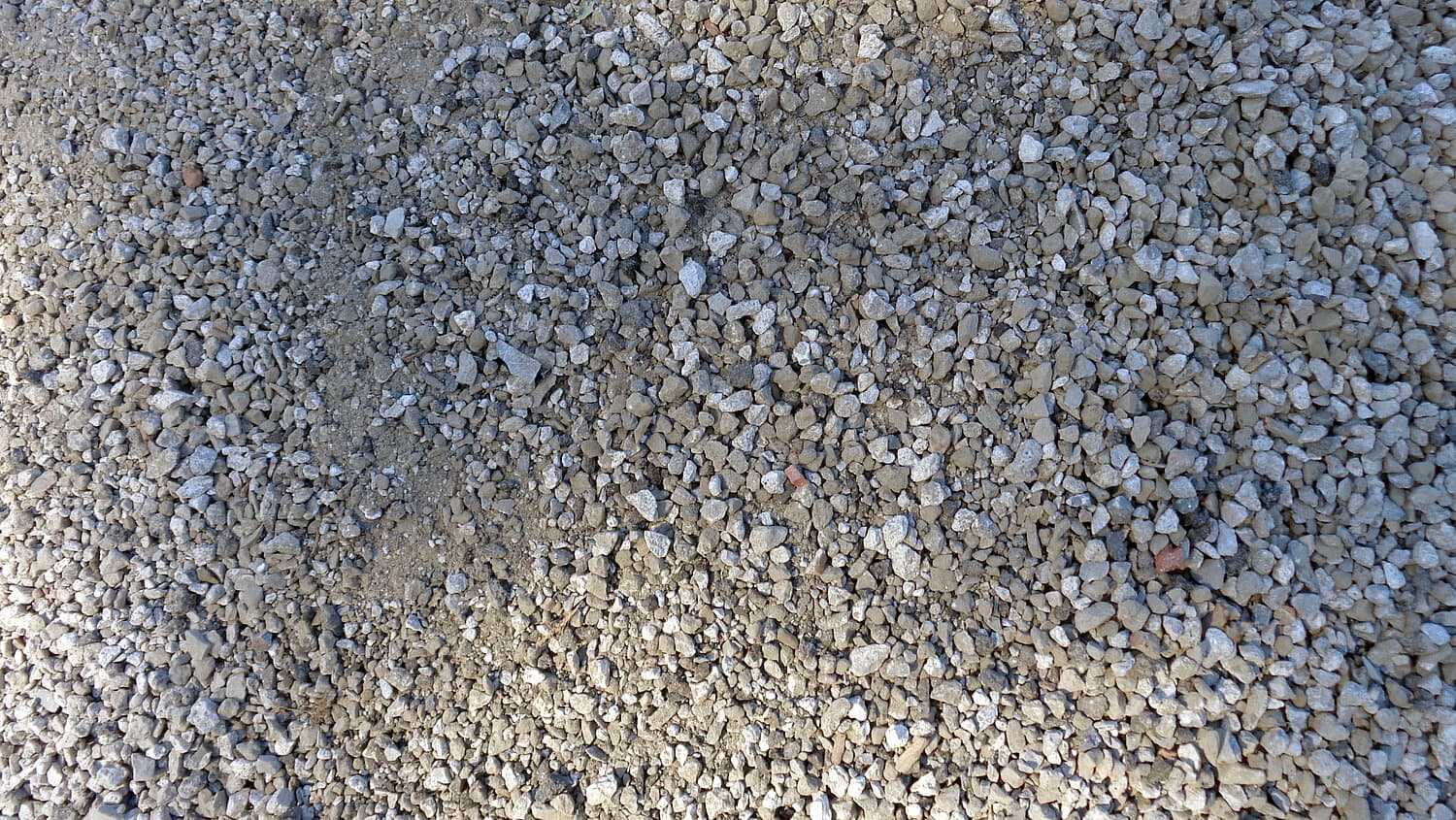
Crushing across South-East Queensland
Guides
Costs and guides for SEQ
What disposal actually costs in this region, and when crushing on site is the cheaper answer.
Where to dump concrete in Brisbane, and when you should not
Dumping concrete is the right answer for a small load and the expensive answer for a big one. How to tell which job you have before you book trucks.
Choosing a concrete recycler in Brisbane: what to ask before you book
Concrete recyclers in Brisbane work in two completely different ways, and the cheaper one depends on your site. The questions that decide it.
Concrete recycling in Logan: costs and when to crush on site
Concrete recycling in Logan, as low as $8 per tonne on higher-tonnage jobs. What disposal costs once the levy is counted, and when to crush on site.
Concrete recycling in Ipswich: costs and when to crush on site
Concrete recycling in Ipswich, around $10 per tonne on most jobs. What the disposal route costs once the waste levy is counted, and when to crush on site.
Concrete disposal in Brisbane: options and real costs
Concrete disposal in Brisbane: tip, skip or on-site crushing as low as $8 per tonne on higher-tonnage jobs. What each costs in 2026 and how to choose.
Brisbane tip fees for concrete: the 2026 waste levy explained
Brisbane tip fees plus the 2026-27 Queensland waste levy of $135 per tonne, what concrete really costs to dump, and when crushing on site is cheaper.
Concrete crushing Gold Coast: on-site recycling costs
Gold Coast tip fees and trucking costs are climbing. On-site concrete crushing keeps demolition material on the job and skips the Coomera tip queue.
Concrete recycling Sunshine Coast: costs and on-site crushing
Concrete recycling on the Sunshine Coast, priced from as low as $8 per tonne on higher-tonnage jobs. What disposal costs once the levy and the Bruce Highway run are counted.
Recycling on a SEQ site?
Tell us the location, the material and the rough volume. A real person responds with timings and pricing, no call centre.