
24 June 2026 · 7 min read
Recycled road base grades and specs from crushed concrete
The road base grades the RM 70GO! 2.0 produces from crushed concrete across SEQ and NSW, where crews use each grade, and how it compares to quarried base.
Written by Colin Luckman, Founder and operator. Twenty years in the recycling industry, running mobile crushing on civil and demolition sites across South-East Queensland and New South Wales.
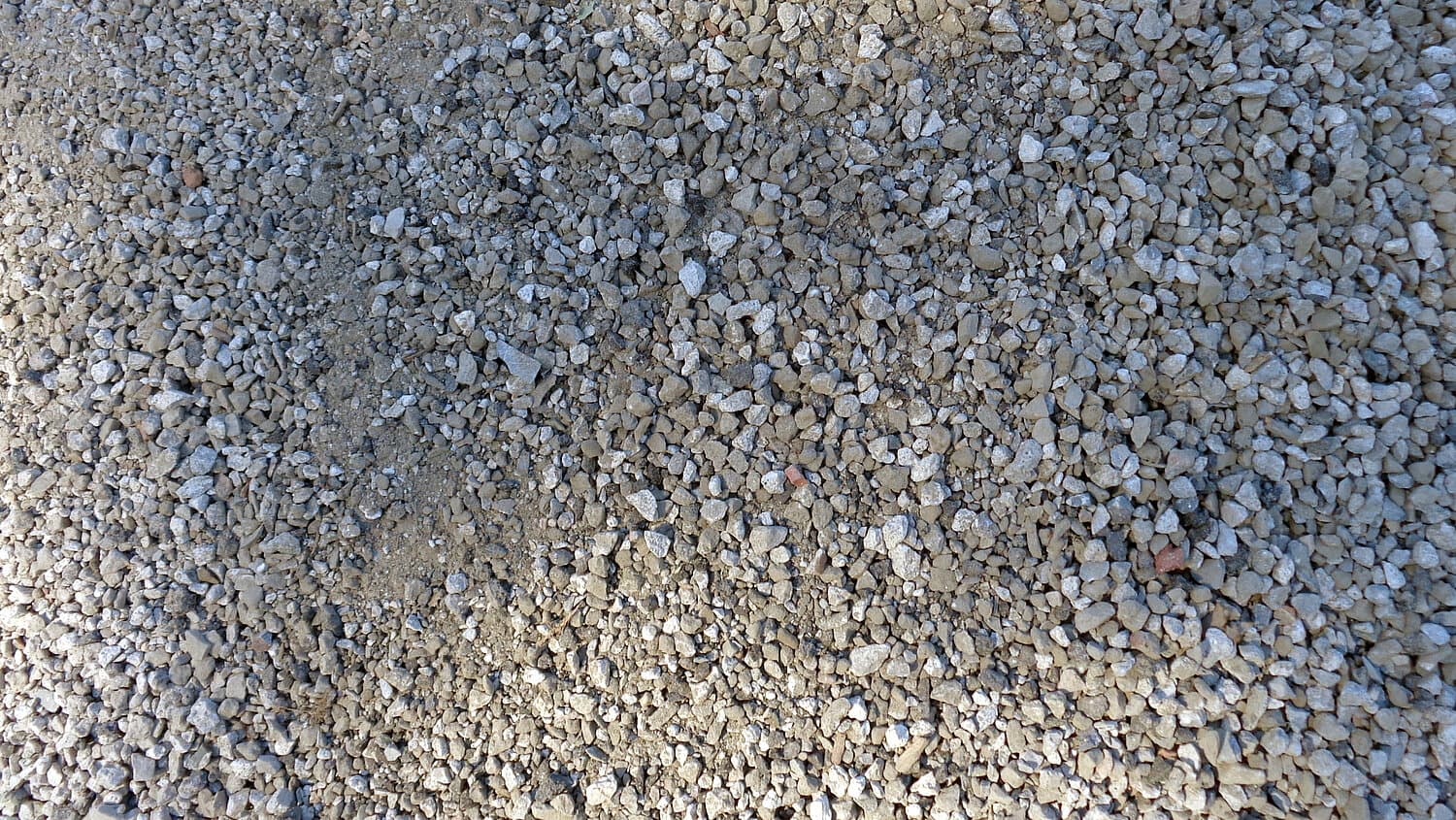
When you crush demolition concrete on site, you do not just make a pile of rubble disappear. You make product. The same material you would have paid to cart away becomes compactable road base, drainage gravel and aggregate you can reuse on the job. This is the part contractors often underestimate: recycled concrete is not waste looking for a tip, it is a graded construction material that, for a lot of civil and demolition work, does the same job as quarried base for less money. Here is what that recycled product actually is, what grades come off the machine, where crews across South-East Queensland and New South Wales put them to work, and what a day of on-site crushing looks like.
What recycled road base actually is
Recycled road base is crushed concrete, brick, rock and reclaimed asphalt graded down to a consistent, compactable size. The RM 70GO! 2.0 runs the material through a mobile impact crusher, lifts the reinforcing steel out with a magnet, and grades the output to size in a single pass through the closed-loop screen. Impact crushing matters here: it produces a cuboidal, angular particle that keys together and compacts tightly, rather than the smooth, rounded shape you get from some other crushing methods. What comes out the other end is a clean, gradable product, not mixed waste.
Because it is made from concrete, recycled base also has a useful habit of binding slightly over time as residual cement reactivates with moisture and traffic, which helps it lock up into a firm, stable layer. That is part of why recycled concrete road base has been a civil staple for decades, not a novelty.
The grades you get off the machine
The exact split depends on the feed material and the screen setup, but a typical crush yields a spread of usable products rather than one size:
- Compactable road base for hardstands, pads, driveways, laydown areas and sub-base under new works.
- Drainage gravel for trenches, soakage, blinding layers and backfill behind retaining structures.
- 5 mm and 10 mm aggregate for general fill, bedding and pipe surrounds.
- Reinforcing steel, liberated and separated from the concrete by the onboard magnet for recycling.
We set the machine to the product you need rather than crushing to a single fixed size and hoping it suits. If your job calls mostly for a tight compacting base, we screen for that; if you need a coarser drainage product, we set up for that instead.
Where crews put it to work
Recycled road base earns its keep anywhere you are building up levels or replacing imported fill. Common uses on civil and demolition jobs include:
- Sub-base and base layers under hardstands, access tracks, car parks and yards.
- General fill and level-up where you are bringing a site up to design height.
- Trench backfill and bedding for services and pipework.
- Drainage layers and soakage where a free-draining product is wanted.
- Working platforms and haul roads that need a firm, compactable surface fast.
Civil contractors, demolition contractors, councils and developers use recycled base to cut the volume of virgin quarry material they buy in, which is both a direct cost saving and a lighter footprint on the project. Where a job calls for a certified product to a specific standard or specification, confirm the spec with us up front so the crush and screening are set to suit before the machine starts.
How recycled base compares to quarried base
For most general civil applications, recycled concrete base performs comparably to quarried road base: it compacts well, carries load and drains predictably. The big differences are cost and logistics. Quarried base has to be bought, trucked in and tipped on site, while recycled base is made from material already in front of you, so you remove the haulage and the purchase in one move. The trade-off is that recycled base is best matched to the application: it is excellent for fill, sub-base, hardstands and drainage, and where a tightly specified structural pavement layer is required you confirm the spec first. The honest position is simple: recycled base is the right call for a large share of civil work, and the wrong call for a small share, and we will tell you which yours is.
What to expect on the day
The RM 70GO! 2.0 is a compact mobile impact crusher, about 24 tonnes, producing up to 140 tonnes per hour. It travels on a standard float with no oversize classification, escorts or special measures, and is crushing within about 20 minutes of arriving. One operator runs it from the cabin, with a radio remote as backup, and the material is weighed on the machine by the onboard belt scale, so you are billed per tonne for exactly what is produced. Most jobs land around $10 per tonne, and higher-tonnage jobs can come in as low as $8 per tonne, firmed at quote. Feed material up to about 450 mm goes straight in; oversize is broken down first.
Clean, hard material only
We crush clean concrete, brick, rock and reclaimed asphalt. We do not take mixed or general waste, and we do not run a tip; this is an on-site crushing service that turns your hard material into reusable product where it sits. Keeping the feed clean is also what keeps the recycled product good: contamination is what downgrades recycled base, so a tidy stockpile in equals a better product out.
Areas we cover
We crush across South-East Queensland, including Brisbane, Ipswich, Logan, the Gold Coast, the Sunshine Coast and Toowoomba, and throughout New South Wales including Sydney, Western Sydney, the Central Coast and Newcastle.
The recovery side of the operation, and what we do with material that leaves site, sits under material recycling.
If you would rather buy finished product than crush your own, see the current recycled aggregate and road base range.
To turn the concrete on your South-East Queensland or New South Wales project into reusable road base, call 0401 803 662 or request a quote.
Common questions
- Is recycled concrete road base as good as quarried road base?
- For most general civil applications, yes. Recycled concrete base compacts well, carries load and drains predictably, and the impact-crushed cuboidal shape keys together tightly. The main differences are cost and logistics, because recycled base is made from material already on your site rather than bought and trucked in. Where a job specifies a particular standard or structural pavement layer, confirm the spec with us first so the crush is set to suit.
- What grades of product come from crushing concrete on site?
- A typical crush produces compactable road base, drainage gravel, and 5 mm and 10 mm aggregate, plus reinforcing steel that the onboard magnet separates out. The exact split depends on the feed material and the screen setup, and we set the machine to the product you need rather than a single fixed size.
- Can I use recycled road base for drainage?
- Yes. The RM 70GO! 2.0 can be set up to produce a coarser, free-draining product suited to trenches, soakage, blinding layers and backfill behind retaining structures. Tell us what you need and we screen for it on the day.
- What materials can be crushed into road base?
- Clean concrete, brick, rock and reclaimed asphalt. We do not take mixed or general waste. Keeping the feed clean is what keeps the recycled product good, so contamination-free stockpiles produce the best base.
- How is recycled road base priced?
- It is priced per tonne and weighed by the crusher's onboard belt scale, so you pay for exactly what is produced. Most jobs land around $10 per tonne, and higher-tonnage jobs can come in as low as $8 per tonne, with transport quoted fairly by location and the firm price confirmed at quote.
Related reading
10 June 2026 · 7 min read
Concrete recycling in South-East Queensland: what it costs
On-site concrete crushing across Brisbane, Ipswich, Logan, the Gold Coast and Toowoomba, as low as $8 per tonne on higher-tonnage jobs, weighed on the machine.
20 August 2026 · 7 min read
Recycled crushed concrete vs quarried road base: cost and use
A straight comparison of recycled crushed concrete and quarried road base on specification, consistency and cost, including where quarried material is still the right call.
20 August 2026 · 6 min read
Concrete recycling Sunshine Coast: costs and on-site crushing
Concrete recycling on the Sunshine Coast, priced from as low as $8 per tonne on higher-tonnage jobs. What disposal costs once the levy and the Bruce Highway run are counted.